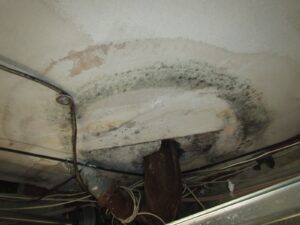
Why Mold Testing Should Always Be Accompanied By an Inspection
Mold can be a silent, sneaky intruder in our homes, causing potential health issues as well as, in some cases, structural damage. When dealing with mold, it’s crucial to have a qualified professional assess (and, if needed, remediate) the situation. Being that the Centers for Disease Control and Prevention (CDC) emphasizes the importance of physical inspection in conjunction with mold sampling, as well as addressing the underlying causes of the mold growth, qualified home inspectors are well-placed to perform such mold testing. In this article, we’ll discuss why mold sampling should always be done in conjunction with inspection.

Unmasking the Silent Threat: 3 Compelling Reasons to Prioritize Mold Testing for Homeowners and Homebuyers
Discover three reasons why homeowners and homebuyers should prioritize mold testing. From safeguarding your health to arming yourself with knowledge and negotiating power in the home buying process, this article explores the importance of early detection and the benefits it brings. Unmask the silent threat of mold and ensure a healthier home environment for you and your household.
New Construction Fails, part five: Drywall Dust in HVAC System
From early building phases, to the pre-drywall walkthrough, to the final walkthrough, new construction is NOT immune to problems / defects / improper building practices. One such problem we see during an inspection is an HVAC system already covered with drywall dust by the time you’re getting ready to move in!
New Construction Fails, part four: Improperly Sloped DWV Piping
From early building phases, to the pre-drywall walkthrough, to the final walkthrough, new construction is NOT immune to problems / defects / improper building practices. One such problem we see during an inspection is when DWV (drain/waste/vent) piping has been improperly sloped.
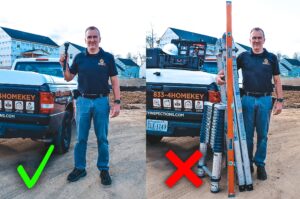
Home Inspection vs Walk & Talk Consultation: Five Differences
In some situations and markets, the Showing Walk & Talk Consultation may be the best option available to you. But remember that it’s not the same thing as a home inspection! Here we cover 5 important differences, and why you should always plan to follow-up an initial consultation with a home inspection at a later date.

Should I Buy a House Without a Home Inspection?
If you find yourself in a situation where you need to waive the home inspection (not recommended of course!), you still don’t need to go walking blind into a bidding war. If an Inspection is not an option, get a Showing Walk & Talk Consultation!
New Construction Fails, part three: Missing Dampproofing
From early building phases, to the pre-drywall walkthrough, to the final walkthrough, new construction is NOT immune to problems / defects / improper building practices. One such problem is when dampproofing is missing.
New Construction Fails, part two: Inoperative AFCIs
From early building phases, to the pre-drywall walkthrough, to the final walkthrough, new construction is NOT immune to problems / defects / improper building practices. One such problem we see during an inspection is missing or inoperative AFCIs.
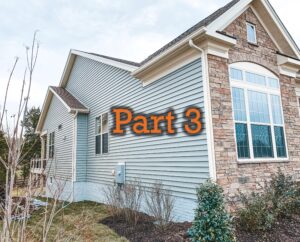
How to Perform a Thorough Home Inspection: EXTERIOR, part 3
What is involved in a thorough home inspection? Continue with us in this post about the EXTERIOR inspection, Part 3. Here we wrap up a discussion of some of the (many) items, components, and systems you should be inspecting during the Exterior portion of a home inspection.
New Construction Fails, part one: Exposed Nails on the Roof
From early building phases, to the pre-drywall walkthrough, to the final walkthrough, new construction is NOT immune to problems / defects / improper building practices. One such problem we see during an inspection is exposed nails all over the (asphalt shingle) roof.
How to Perform a Thorough Home Inspection: EXTERIOR, part 2
What is involved in a thorough home inspection? Continue with us in this post about the EXTERIOR inspection, Part 2. Here we start addressing some of the (many) items, components, and systems you should be inspecting.
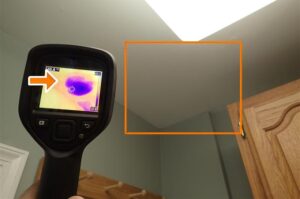
Leak Detection: How Infrared Technology Can Help Find Hidden Leaks
Concerned about hidden leaks in your current or future home? We HIGHLY recommend an add-on service to your standard home inspection which we call “Leak Detection”. Here we address some common questions regarding the technology behind this service. At the end we’ll also mention when it may NOT be worth it to include this add-on service.