
Breathing Pure: Simple Daily Habits for Healthier Home Air
Intro
Transforming your home into a fresh, toxin-free sanctuary does not require expensive renovation projects or high-tech machinery. While smart gadgets and high-efficiency filters certainly play a role, the foundation of exceptional indoor air quality comes down to consistent, daily choices. Everyday activities—such as cooking dinner, taking a shower, tracking in dirt, or lighting a scented candle—quietly introduce moisture, fine particles, and synthetic chemicals into your living space. By building a few effortless habits into your daily routine, you can continuously purge invisible pollutants and keep your home’s air feeling pure and energized.
Master the Art of Daily Ventilation and Entryway Control
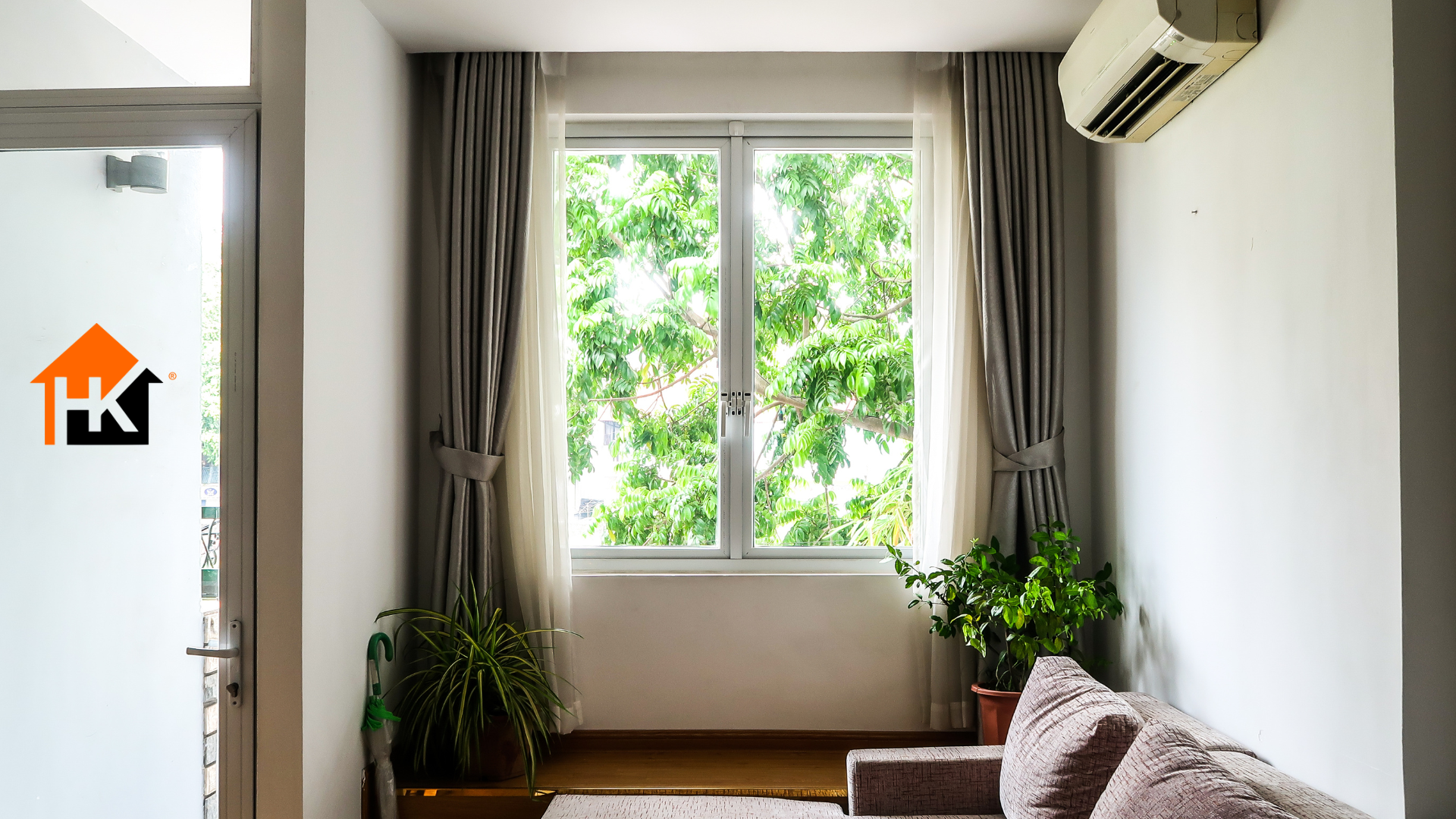
The quickest way to refresh your home’s atmosphere is to practice brief, daily air exchanges regardless of the season. Opening windows on opposite sides of your house for just 5 to 10 minutes every morning flushes out accumulated carbon dioxide, volatile organic compounds (VOCs), and stale moisture before it settles into fabrics. Pair this morning refresh with strict entryway rules to keep outdoor toxins where they belong. Establishing a firm “no shoes indoors” policy prevents pesticides, heavy metal dust, road residue, and pollen from being ground into your rugs and recirculated through your air every time someone walks across the room.
Cook Safely and Manage Daily Moisture Levels
The kitchen and bathroom are two of the biggest sources of daily indoor air pollution. Gas stoves and high-heat cooking release nitrogen dioxide and fine particulate matter, while hot showers create excess humidity that invites rapid mold growth. Make it a non-negotiable habit to run your kitchen exhaust hood every single time you turn on the stove, and leave your bathroom exhaust fans running for at least 20 minutes after bathing. Controlling steam at the source prevents damp microclimates from forming, keeping your indoor relative humidity within the ideal 30% to 50% target range to starve dust mites and fungal spores.
Switch to Non-Toxic Cleaners and Smart Dusting
Many conventional household cleaners, synthetic air fresheners, and scented candles rely on artificial fragrances that off-gas harmful phthalates and chemical vapors directly into your breathing space. Swap out harsh sprays for simple, natural alternatives like white vinegar, baking soda, and pure essential oils, and opt for soy or beeswax candles instead of paraffin. When cleaning, ditch traditional feather dusters—which simply kick microscopic particles into the air—in favor of damp microfiber cloths that trap fine dust completely. Combining non-toxic cleaning products with damp-wiping habits ensures your daily chore routine cleans your air rather than polluting it.
Conclusion
Achieving pure indoor air is not a one-time fix; it is the result of small, conscious habits practiced every day. By venting moisture at the source, kicking off your shoes at the door, swapping out chemical fresheners, and giving your home a quick morning breeze, you actively protect your family from invisible indoor triggers. Start integrating these effortless steps into your day-to-day routine to enjoy a fresh, vibrant, and genuinely healthy home.
To learn more effortless ways to maintain clean air in your home, CLICK HERE.
Frequently Asked Questions (FAQ)
How do I know if my home has poor indoor air quality?
Common signs include persistent dust accumulation, musty odors, frequent allergy symptoms like sneezing or watery eyes, unexplained headaches, or feeling noticeably better when you spend time outside the house.
Do indoor plants really clean the air on their own?
While plants technically absorb tiny amounts of toxins, they do so far too slowly to make a noticeable difference in a home environment. They excel at boosting mood and aesthetics, but they cannot serve as a primary air filtration system.
How often should I replace my HVAC or air purifier filter?
Standard HVAC filters should be changed every 1 to 3 months. However, if you have pets, deal with severe allergies, or live in a high-pollen area, you should inspect and replace them monthly during peak seasons.


